

Deploy Cat8 Ethernet High-Speed Network
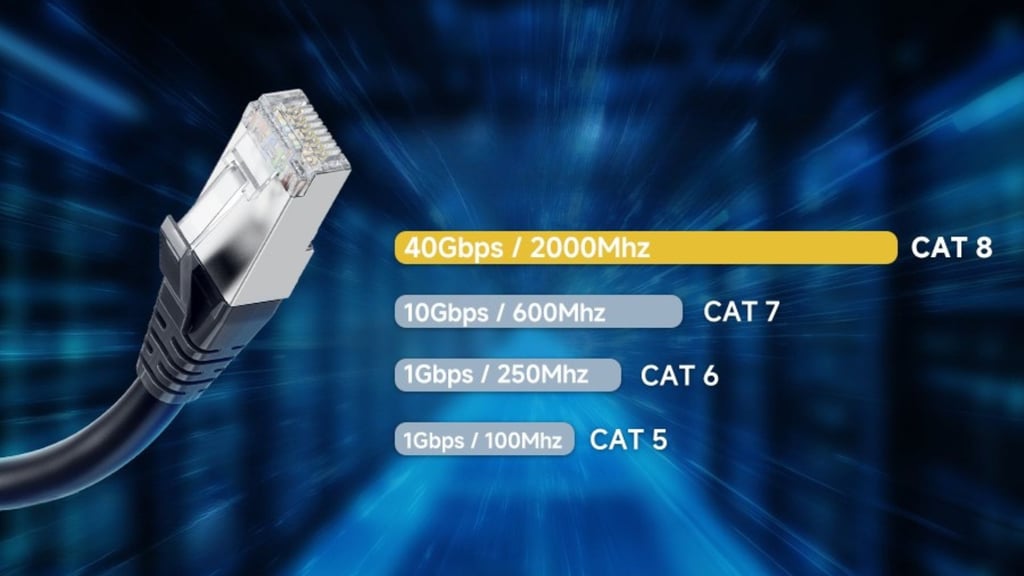
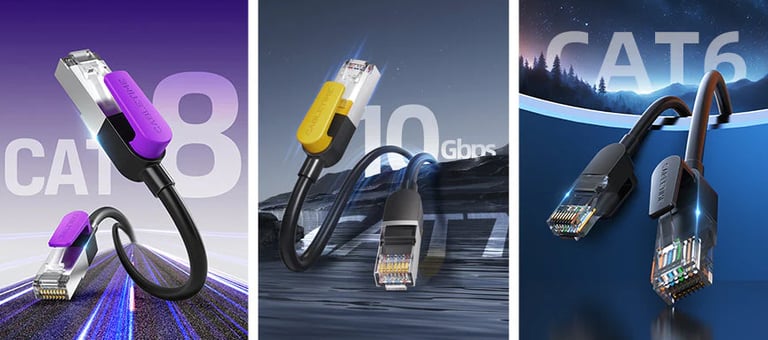
In today’s digital-first world, speed and reliability are non-negotiable. Whether it’s powering enterprise data centers, supporting smart homes, or enabling next-gen gaming, the backbone of connectivity lies in the cables we choose. Enter Category 8 (Cat8) Ethernet, the latest standard designed to deliver lightning-fast performance and future-proof your network.
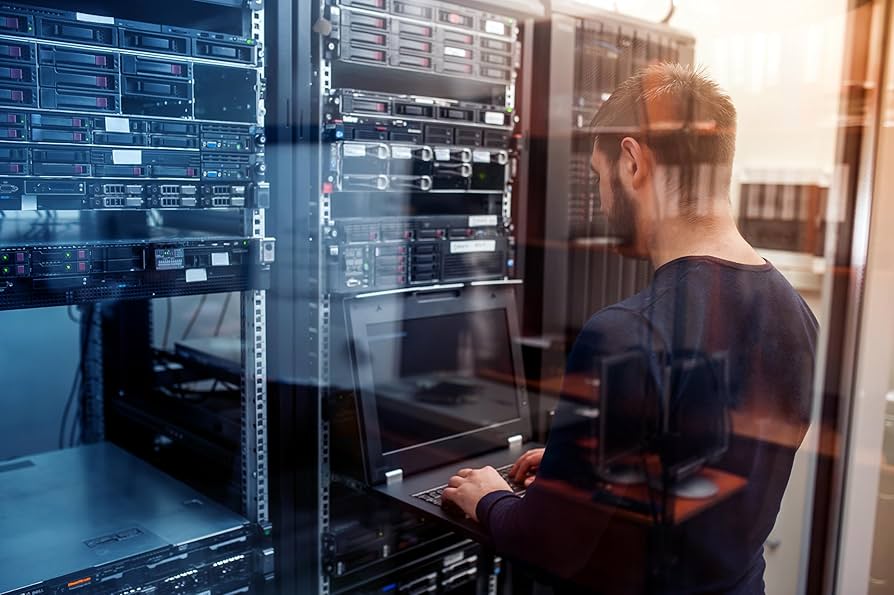
Data Centers: High-bandwidth backbone connections between servers and switches.
Smart Homes: Seamless streaming, gaming, and IoT device integration.
Enterprise Offices: Reliable connections for cloud computing and video conferencing.
Media Production: Handling massive file transfers and real-time editing workflows.

Key Benefits of Category 8 (Cat8)
Distance Limitations: Cat8 excels in short-range, high-speed applications. For longer runs, Cat6a or fiber may be more cost-effective.
Cost: Cat8 cables and compatible hardware are more expensive than lower categories.
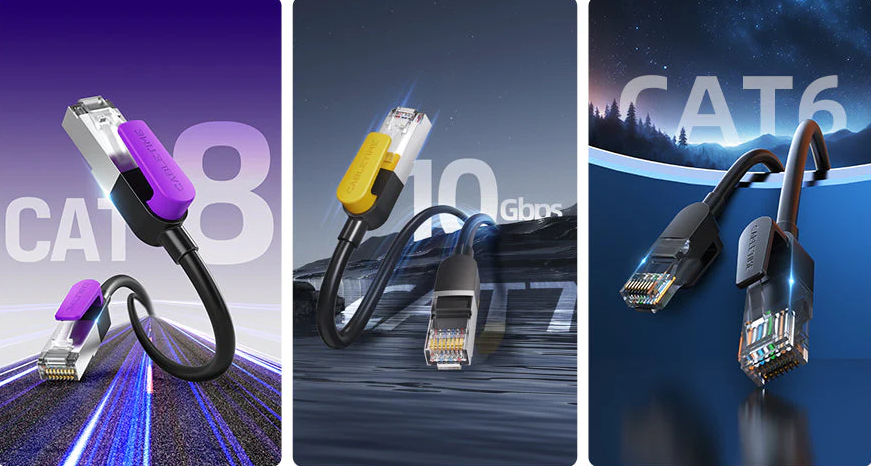
Compatibility: Cat8 is backward compatible with Cat6a and Cat7, but ensure your hardware supports the higher speeds.
Deploying Cat8 Ethernet is a strategic move for organizations and individuals who demand the fastest, most reliable wired connections. While it may not be necessary for every setup, it’s a powerful investment for environments where speed, stability, and future readiness are paramount.
Considerations Before Deployment Category 8 (Cat8)
Conclusion
Ultra-High Speed: Supports 25GBASE-T and 40GBASE-T standards, making it ideal for data centers and enterprise networks.
Reduced Latency: Perfect for gamers, streamers, and professionals working with real-time applications.
Superior Shielding: Enhanced protection against electromagnetic interference.
Future-Proofing: Designed to handle the demands of emerging technologies like 8K streaming, VR, and IoT ecosystems.
Where to Use Cat8 Ethernet
Data Centers: High-bandwidth backbone connections.
Smart Homes: Smooth 4K/8K streaming and IoT integration.
Enterprise Offices: Reliable cloud computing and video conferencing.
Gaming Setups: Ultra-low latency for competitive play.
Media Production: Fast file transfers and real-time editing.
Lenora Innovation
Empowering Change, Enriching Lives
Copyright © 2026 All rights reserved